


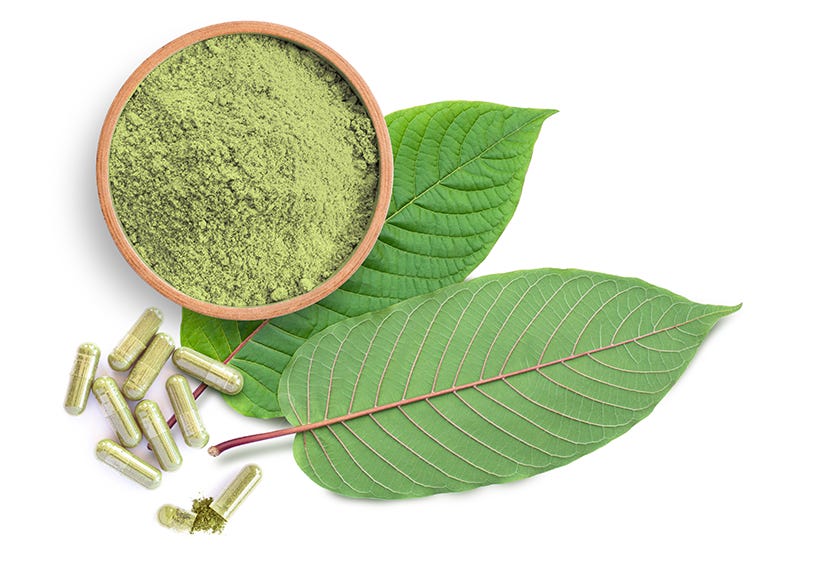
Kratom, scientifically known as Mitragyna speciosa, is an herbal supplement native to Southeast Asia, particularly Indonesia, Malaysia, Thailand, and Myanmar. Traditionally used for its stimulant and analgesic effects, Kratom is increasingly popular in the United States as an alternative wellness product. But what exactly is Kratom, how does it work, and how can newcomers use it safely?
What is Kratom?
Kratom is derived from the leaves of the Kratom tree, a tropical evergreen related to coffee. The active compounds in Kratom—primarily mitragynine and 7-hydroxymitragynine—interact with the body's opioid receptors, though Kratom itself is not an opioid. These interactions produce varying effects depending on the strain and dosage, ranging from increased energy and alertness to pain relief and relaxation.
Types and Strains of Kratom
Kratom comes in three primary strain types:
Red Vein Kratom: Known for its relaxing and sedative effects, ideal for managing pain, anxiety, and sleep issues.
Green Vein Kratom: Often balanced, providing mild energy and mood-enhancing effects, suitable for everyday use.
White Vein Kratom: Typically stimulating, boosting energy, focus, and productivity, similar to caffeine but without the jitters.
Research published in the Journal of Psychoactive Drugs (2020) emphasizes that strain differences significantly impact user experience, which underscores the importance of understanding each type before use.
How to Use Kratom Safely
Kratom is available in various forms, including powder, capsules, extracts, and beverages like Mitra9 Kratom Seltzer. For beginners, capsules or pre-measured doses are the easiest to manage. Experts recommend starting with low doses (1–2 grams) and slowly increasing to find your ideal dosage, typically between 2–5 grams per serving for most users.
Studies, including a survey published in the Drug and Alcohol Dependence journal (2018), indicate that lower doses generally produce stimulant-like effects, while higher doses offer sedation and pain relief. Exceeding 10 grams initially can cause uncomfortable side effects like nausea, dizziness, or sedation.
Potential Benefits and Risks
Users commonly report benefits such as improved mood, increased energy, better focus, and relief from chronic pain or anxiety. A comprehensive analysis published by the National Institute on Drug Abuse (2022) highlights these potential therapeutic effects, suggesting Kratom could be beneficial when used responsibly.
However, responsible usage is key. Though Kratom isn't typically addictive in moderate amounts, regular high-dose use can lead to tolerance or dependence. According to research by the American Kratom Association (AKA), responsible dosing and periodic breaks can significantly reduce these risks.
Legal Status and Advocacy
Kratom is federally legal in the U.S. but faces regulation at the state level. Organizations such as the AKA advocate for its continued legal availability and work to ensure safe, regulated products through initiatives like the Good Manufacturing Practices (GMP) certification.
Final Thoughts
Kratom can offer significant wellness benefits when used responsibly. Beginners should start slowly, choose reputable brands, and stay informed through credible sources. By staying educated and using Kratom responsibly, you can experience its positive potential safely and effectively.
Ready to explore more? Apotheca is here to guide you every step of the way.