

Series Introduction.
Every April 20th used to feel like a communal high-five for the plant. Lately, though, 4/20 has started to look more like cannabis’ own Black Friday—an elbows-out dash for cut-rate ounces and BOGO vapes. This series is our antidote to the bargain-bin mindset. Instead of sprinting toward the lowest price, we’re hitting pause to celebrate the weed itself—and the pop-culture mavericks who carried it from back-alley taboo to living-room normal.
Over ten installments we’ll rewind through a century of culture-shifting moments, tracing how trumpet solos, cult films, hip-hop beats, and even Martha Stewart’s CBD gummies turned a criminalized herb into a household staple. Think of it as a joyride through the greatest hits of cannabis’ unofficial PR campaign, fueled not by ad budgets but by artists, rebels, and everyday fans who refused to snuff out the spark.
So pack a bowl of curiosity, not consumer fatigue, and join us as we toast the people and pop flashes that made modern cannabis culture possible. First up: Louis Armstrong and the jazz-age “gage” that started it all.
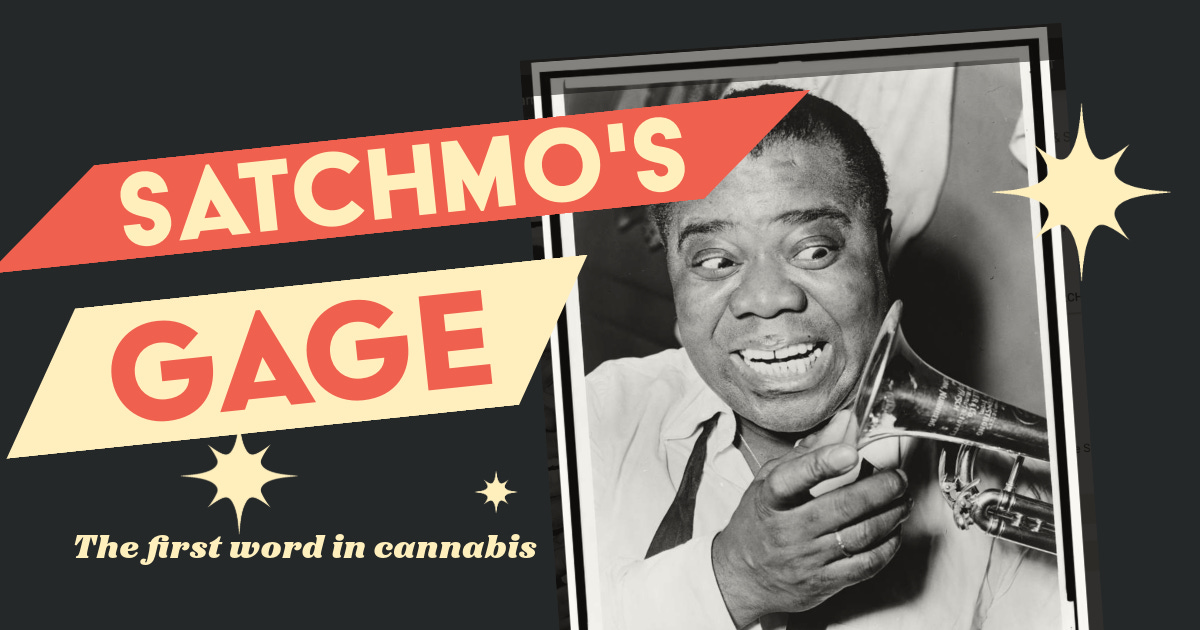
Cold-open—Los Angeles, 1930.
Louis “Satchmo” Armstrong steps out of the Cotton Club for a breather, trumpet case in one hand, a thin hand-rolled cigarette in the other. A beat-cop saunters up, nostrils flaring. Armstrong, ever the showman, grins and offers the officer a drag. Instead of swapping solos, the cop swaps out handcuffs; Armstrong finishes the night’s set before being hauled downtown for smoking what he affectionately called “gage.”
The Cultural Backbeat
Jazz was America’s first mass-media youth movement, and its stars needed staying power to jam until dawn. Booze made you sloppy; cannabis—so the musicians said—kept the riffs inventive and the vibe convivial. Armstrong discovered weed in Chicago in 1928 and soon preached its virtues to anyone within earshot, insisting it was “a thousand times better than whiskey” for chasing away the blues.
Armstrong’s bandmates joined the “vipers” (slang for jazz smokers who hissed their joints), creating an underground fraternity whose membership card was a lit jay passed left. The plant’s profile climbed in lockstep with hot-jazz record sales; suddenly, Kansas City teenagers were whispering about “gage” as eagerly as they practiced trumpet licks. Historians now peg the jazz scene as cannabis’ first true influencer network—decades before hashtags.
Ripple Effects That Still Resonate
Counter-Narrative to Temperance: While Prohibition demonized booze, Armstrong embodied an alternative: a functional, joyful pot user whose artistry flourished. The contrast cracked moralist arguments wide open.
Slang That Stuck: Words like gage, muggles, and viper filtered from bandstands into street corners, proving language can launder stigma faster than any lobbyist.
The Cops Take Note: High-profile busts like Armstrong’s gave federal agents a headline-friendly villain and helped grease the skids for the 1937 Marihuana Tax Act, the country’s first big cannabis crackdown. (Call it the original cancel culture.)
Blueprint for Celebrity Advocacy: Long before Snoop or Willie, Armstrong spoke openly about his use—risking arrest and career blowback. That candor set the stage for every star who would one-day stamp their face on a preroll tin.
Apotheca Takeaway
When you crack open a Jazz Cabbage-inspired gummy in 2025, you’re vibing with a century-old lineage of creativity, community, and quiet rebellion. Armstrong proved that cannabis could swing rather than stumble—a narrative Apotheca still champions every time we tell customers that plant freedom fuels artistic freedom.
Pass the Mic
If this story hit the right note, share it with your favorite horn player—or at least the friend who never skips “What a Wonderful World.” Subscribe so you don’t miss #9, where a fear-mongering B-movie accidentally became weed’s funniest endorsement.