

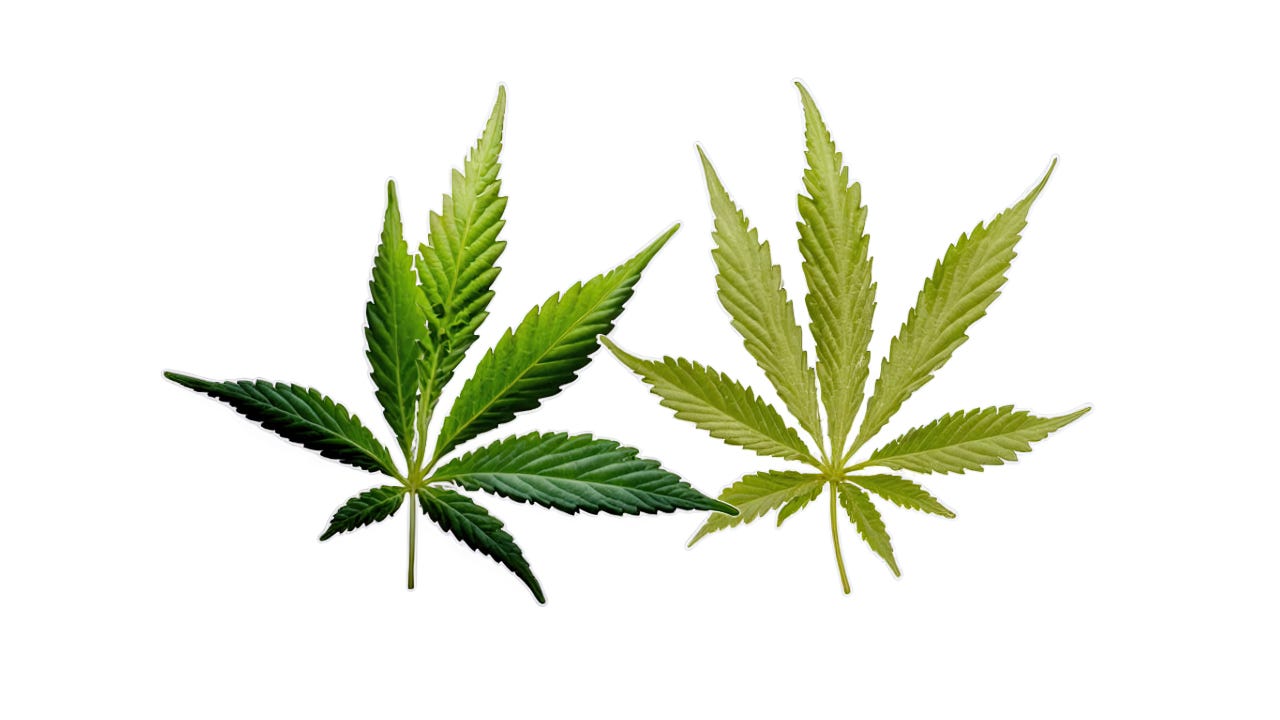
Let’s clear up the haze––hemp and marijuana aren’t rivals in the botanical world—they’re twins. They’re both Cannabis sativa, the same remarkable plant that’s been cultivated for centuries to clothe, feed, heal, and yes, elevate humanity.
The real difference lies not in the plant itself, but in how we’ve chosen to label it. "Marijuana" is the term steeped in cultural and recreational connotations, often associated with the high caused by THC (tetrahydrocannabinol). "Hemp," on the other hand, became the clean-cut cousin, spotlighted for industrial uses like textiles, rope, and CBD oil. But make no mistake: whether you call it hemp or marijuana, you’re talking about the same species of plant.
In North Carolina, thanks to the 2018 Farm Bill, we use the term "hemp" to stay on the right side of legality. The bill greenlit hemp as long as it contains 0.3% or less THC by dry weight. That number might seem tiny, but it’s what separates the “legal” hemp from its federally restricted sibling, marijuana. Yet beneath the labels and the arbitrary percentages, it’s all Cannabis sativa—the same resilient, versatile, and extraordinary plant you’ve always known and loved.
So, next time someone asks you about the difference, let them know: it’s all cannabis. Whether it’s the hemp fields dotting our North Carolina landscape or the plants behind the dispensary counter, they share the same roots—literally. Call it what you want, but at the end of the day, it’s the same great plant.