


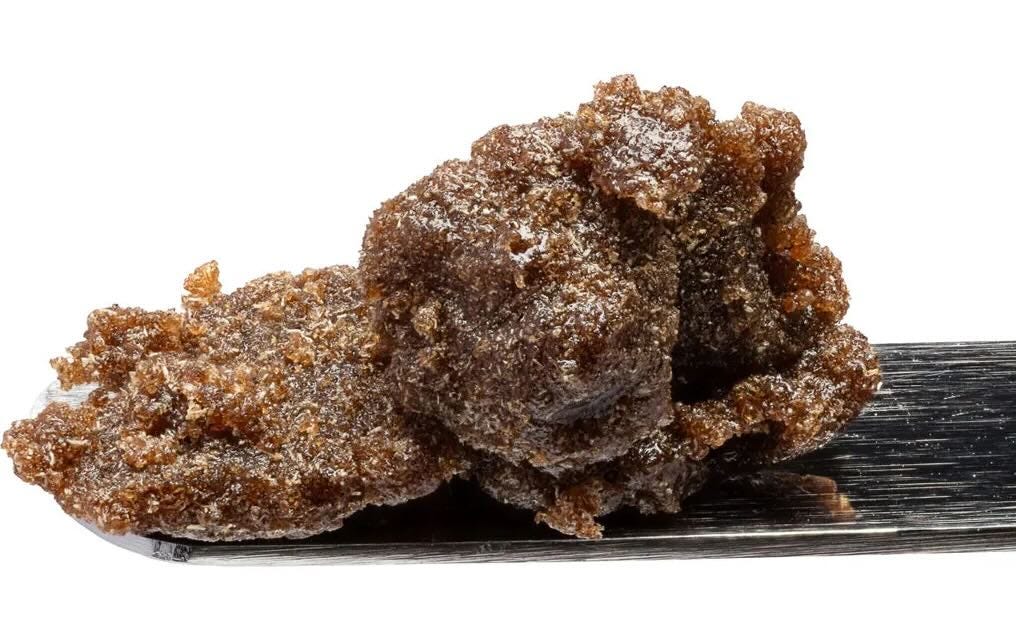
Cannabis concentrates have become the espresso shot of the cannabis world—pure, potent, and occasionally misunderstood. For the uninitiated, it can all sound like a chemistry exam: BHO, live resin, rosin, diamonds, wax, shatter… What happened to just lighting a joint?
Let’s untangle the mess.
What Is a Cannabis Concentrate?
At its core, a concentrate is exactly what it sounds like: a highly concentrated form of cannabis, made by extracting the active compounds—mostly THC, CBD, and terpenes—while removing the rest. The result is a powerful punch of cannabinoids in a fraction of the size (and sometimes subtlety) of traditional flower.
But here’s where things get sticky. Not all concentrates are created equal—and how they’re made matters.
Solvent-Based vs. Solventless: What’s the Difference?
This is the cannabis world’s equivalent of organic vs. conventional farming. Both have their merits, but one tends to wear a purer halo.
Solvent-Based Concentrates
These extracts are made using chemical solvents—most commonly butane, propane, CO₂, or ethanol. Don’t panic. The final products are purged of these solvents, often in lab-grade environments with strict testing protocols. Still, it’s not exactly the au naturel approach.
Popular Types:
Shatter – brittle, glass-like sheets with high potency.
Wax/Crumble/Budder – softer, more pliable textures, depending on how it’s whipped and purged.
Live Resin – made from fresh frozen cannabis, preserving terpenes for richer flavor.
Sauce & Diamonds – high-terpene extract mixed with crystalline THCA.
Pros: Affordable, versatile, and potent.
Cons: Involves solvents and refinement; can sometimes sacrifice flavor for strength.
Solventless Concentrates
No chemicals here—just heat, pressure, ice water, and some old-school ingenuity. Solventless products are typically seen as the cleanest, most natural expression of the plant.
Popular Types:
Bubble Hash – made with ice water and mesh screens; a throwback with modern flair.
Rosin – extracted using heat and pressure, often from hash or flower.
Live Rosin – combines freshness (from frozen material) with solventless purity.
Pros: Clean, flavorful, and artisanal.
Cons: More expensive and labor-intensive to produce.
What Does “Live” Mean?
You’ll often see “live” tacked onto product names—live resin, live rosin—and it’s not just a marketing gimmick. “Live” refers to extracts made from fresh frozen cannabis, not dried flower. This preserves delicate terpenes that usually evaporate during the drying process, resulting in a more flavorful, aromatic experience.
How to Choose What’s Right for You
If you’re a flavor-chaser or cannabis connoisseur, solventless options like live rosin are your golden ticket. They deliver a clean, full-spectrum experience that’s hard to beat.
If you’re budget-conscious or simply want maximum potency per dollar, solvent-based products like shatter or live resin will get the job done—often with a heavier hit.
For newcomers, distillate (the ultra-purified form of THC or CBD often found in vape carts) offers a neutral, predictable experience. Just don’t expect the entourage effect—it’s more solo act than full band.
Final Thoughts
Cannabis concentrates are where science meets stoner alchemy. They’re not just potent—they’re a glimpse into the future of cannabis consumption: precise, potent, and increasingly personalized.
Just remember—what’s behind the product is just as important as what’s in it. Ask questions. Read labels. And know whether your high is coming from a solvent-free press or a hydrocarbon wizard’s cauldron.
Because in the world of concentrates, clarity is power. And a little education goes a long way toward making sure your next dab isn’t just strong—but smart.