


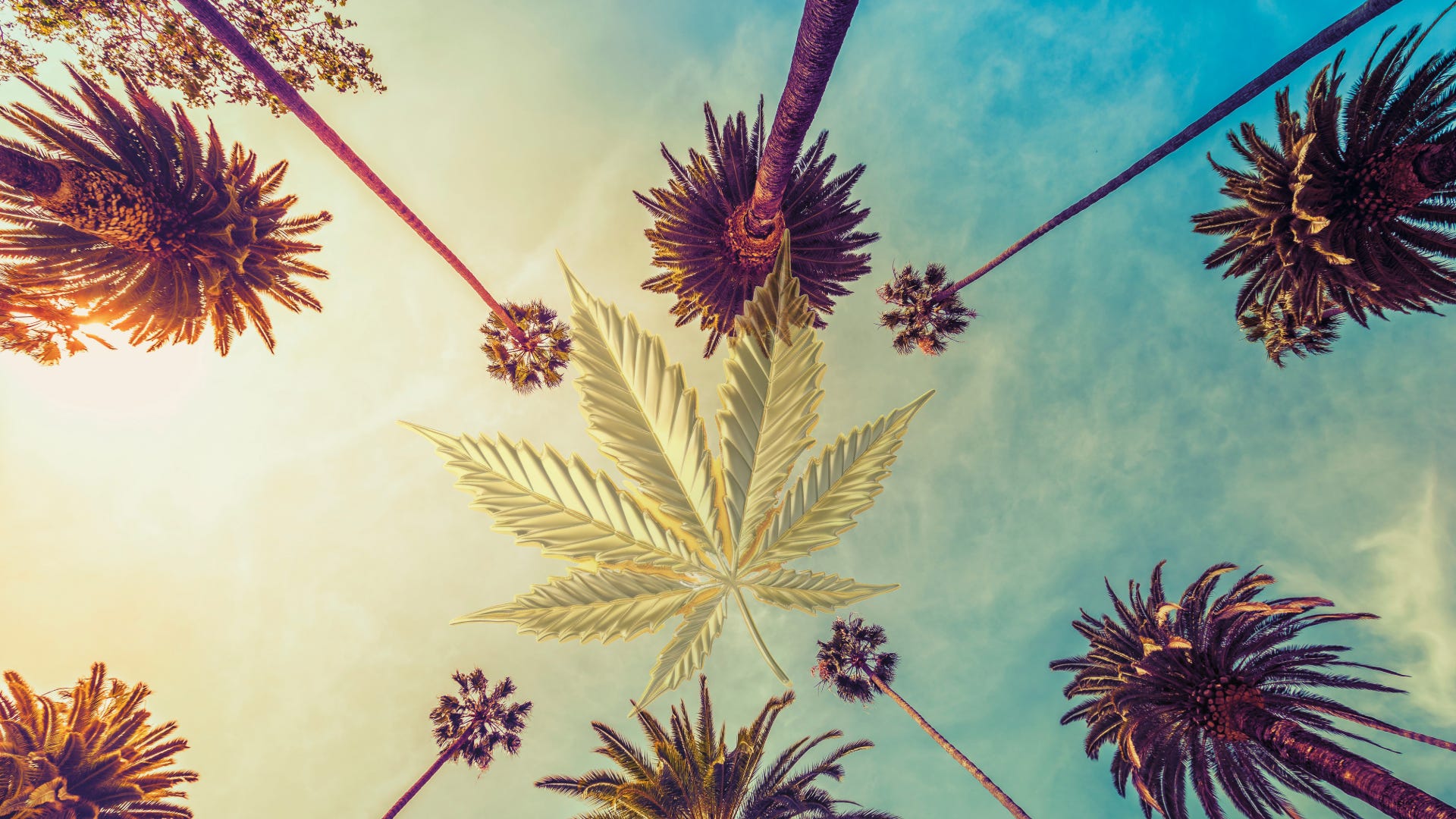
I graduated college in 1990, stepping out from the wilderness of East Carolina into the electric hum of Los Angeles. Back then, weed was already knocking on the door of mainstream America, but it was a whole different beast from what I’d known. At East Carolina, the cannabis selection was humble: mostly shake, seeds, and whatever your buddy could scrape together. We were lucky to get a decent joint without a mouthful of stems or the occasional, dreaded twig.
Then came LA. Suddenly, I found myself in weed heaven. The black market was not only robust—it was downright sophisticated. I remember having weed delivered right to my office. No kidding. Some guy would show up, like a pizza guy for pot. The stuff was good too. Not the swishy, droopy leaf kind from back east, but the pungent, sticky, resin-drenched flowers that could actually knock you on your ass. But is it the same weed you find today? Hell no.
Cultivation: From Sun-Kissed Fields to High-Tech Fortresses
Back in the 1990s, outdoor grows ruled the landscape, at least in places where the weather cooperated. In California, that meant sun, soil, and seasons dictated the quality and quantity of your stash. Indoor cultivation was just getting its footing—growers tinkering in basements and warehouses, figuring out lights and ventilation. It was science, but still a bit of a wild west experiment.
Fast forward to today, and indoor cultivation has become the gold standard. It's like comparing a backyard barbecue to a NASA space station. Growers now wield precise control over light, temperature, humidity, and even carbon dioxide levels. This means consistent, potent harvests that can hit THC levels that would have made 1990s me drop the joint and crawl under the desk. The old days? A typical joint might have had 5-10% THC. Now? It’s not uncommon to see flower packing 25% or more, with concentrates reaching mind-boggling heights.
Products: From Simple Joints to a Galaxy of Options
The ‘90s were all about the flower. If you wanted to get high, you smoked dried buds rolled in paper or packed into pipes and bongs. Concentrates existed but were niche—hash being the classic, passed around in small circles, often imported from places like Morocco or Afghanistan. Edibles? Maybe homemade brownies if you were lucky, but nothing close to today’s industrially produced gummies, chocolates, or beverages.
Today’s cannabis landscape looks like something out of a sci-fi novel. Edibles are everywhere—from gummies that taste like candy to infused coffees and sodas. Concentrates come in dozens of forms: wax, shatter, live resin, distillate, and vape cartridges that promise a discreet, potent hit. The rise of vape pens is both a blessing and a headache, but undeniably changed the game. And let’s not forget the microdosing trend, where a few milligrams of THC or CBD can ease anxiety or boost focus without sending you to the couch.
Social Perception: From Pariah to Pop Culture Icon
In the ‘90s, cannabis was still very much in the shadows. The stigma was thick, reinforced by decades of prohibition propaganda. Being caught with weed could ruin your life, and it was easy to feel like a deviant—even among fellow college kids. Yet, the medical marijuana movement was bubbling under the surface, with patients and advocates fighting for recognition and legitimacy.
Today, that world feels light years away. Recreational cannabis is legal in over 20 states, with countless more easing restrictions or legalizing medical use. Cannabis is no longer the outlaw drug whispered about in dark alleys. It’s a booming industry with glossy dispensaries, celebrity endorsements, and a mainstream cultural embrace that includes everything from hip-hop anthems to wellness influencers touting CBD oils.
So What’s Changed? Everything and Nothing
The plant itself? Still Cannabis sativa (and its cousins). But how it’s grown, consumed, and perceived has undergone a revolution. The 1990s offered a rough draft—smoke it and hope for the best. Today, science and capital have refined cannabis into a controlled, predictable experience, one that appeals to everyone from the stoner poet to the corporate executive looking for a better night’s sleep.
Personally, I stand somewhere in the middle—a relic of the shake and seeds era who now finds himself navigating the dizzying array of products and strains with a mix of wonder and mild suspicion. The weed I had delivered to my LA office was a revelation in its time. The weed I consume now? It’s like stepping into a new world entirely, one where cannabis isn’t just a recreational escape but a complex botanical cocktail with endless potential.
The only thing constant in this ch, ch, changing cannabis landscape is change itself. And frankly, I’m here for the ride.